














































Dental Crowns |
|
| Updated: Deepika on December 7th, 2010 | |
A dental crown is type of restoration that completely covers the visible portion of a tooth and restores its form and function. It is basically a tooth-shaped cap, which is fixed over a damaged tooth or implant. The crowns, or caps, as they are often referred to, are bonded onto the tooth with the help of a dental cement.
Crowns are usually needed when a significant portion of the natural tooth is wiped out, and the remaining part is too weak to sustain under the forces of mastication. Also, a crown helps restore the esthetics of a tooth, which could be a primary concern of the patient if his anterior teeth are damaged.
One major factor that acts like a hindrance for dental patients to go for crowns is the ‘cost factor’. In fact, any dental procedure is very expensive in the first world countries and not all are able to afford these treatments. However, in the past few years affordable dental treatments abroad have supported many to achieve their dental goals. For instance dental tourism in Mexico attracts thousands of patients especially from the US and Canada, as dental care treatment cost is lesser and pocket friendly in this nation. Similarly cosmetic dentistry in Bangkok is another affordable option for those who are seeking reasonably tagged good quality dental treatment. Types of Dental Crowns
Dental crowns can be: 1). Temporary – Only placed for a few days, till the permanent restoration is prepared. They can be made of acrylic or stainless steel.
2). Permanent — Permanently fixed on to the tooth/ implant. They can be made of various materials, depending upon the esthetic requirement of the patient, and his spending capacity. Permanent dental crowns can be:
a) All metal – Less expensive, mostly used for posterior teeth as these crowns have good strength but give an unnatural appearance.
b) Porcelain fused to metal – Relatively more expensive than all metal, but less expensive than all ceramic crowns. These have decent esthetics (provided by porcelain covering) and good strength (provided by the metal).
c) All resin – Least expensive of all. However, they tend to wear down and are also prone to fracture.
d) All ceramic – Most expensive, but these come the closest to resembling a natural tooth. Indications of Dental Crowns
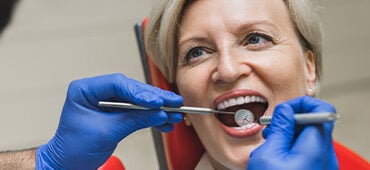
Steps in a typical Dental Crown procedureExamining the tooth/ taking radiographs to study the health of the root and surrounding bone ↓
↓
↓Placement/cementing of the crown (done in next visit) AftercareThough dental crowns usually do not require much aftercare, patient must try to avoid things that may dislodge or fracture a crown.
Floss regularly, but do not lift-out the material with a jerk as the crown may come off with it. On both the sides of a dental crown, the patient must gently slide out the floss material.
In case of any sensitivity in the tooth that has received the crown, contact your dentist. *Mastication – the process by which food is crushed or ground by the teeth.
DentaVacation facilitates affordable dental treatments at various destinations across the world. For more information, submit the estimate-request form on the right. Related Posts |
|


Replies
[...] low cost treatments, some of which are:Getting dental implantsTooth whiteningFull mouth restorationDental crownsAlternatives to dental implants, such as dentures and bridgesWhy Thailand for Dental Holiday?There [...]
[...] implants are titanium fixtures which are surgically placed in the jaw. These implants support teeth crowns or porcelain teeth and hence replace missing [...]
[...] from developed countries are heading overseas for costly dental treatments such as dental implants, crowns and bridges and cosmetic dental treatments. The difference in the costs of dental treatment between [...]
[...] can be used to provide support to a crown & bridge thereby eliminating the need of a removable [...]
Leave a Reply